Merck's Experimental Cancer Drug Extends Survival by Nearly Seven Months

Merck's (NYSE: MRK) new cancer treatment, sacituzumab tirumotecan (sac-TMT), showed improved survival in patients with advanced or recurrent endometrial cancer. This was unveiled on October 26 and could help Merck secure its place in a rapidly expanding market for targeted cancer therapies.
The Phase 3 trial saw patients receiving sac-TMT achieve a median overall survival of 19 months, compared to just 12.1 months in those receiving traditional chemotherapy. This represented a 32% reduction in the risk of death. The sac-TMT group also saw a 41% reduction in the risk of their cancer progressing or death. Approximately 35% of patients also saw their tumors shrink, compared to just 17% for those receiving chemotherapy.
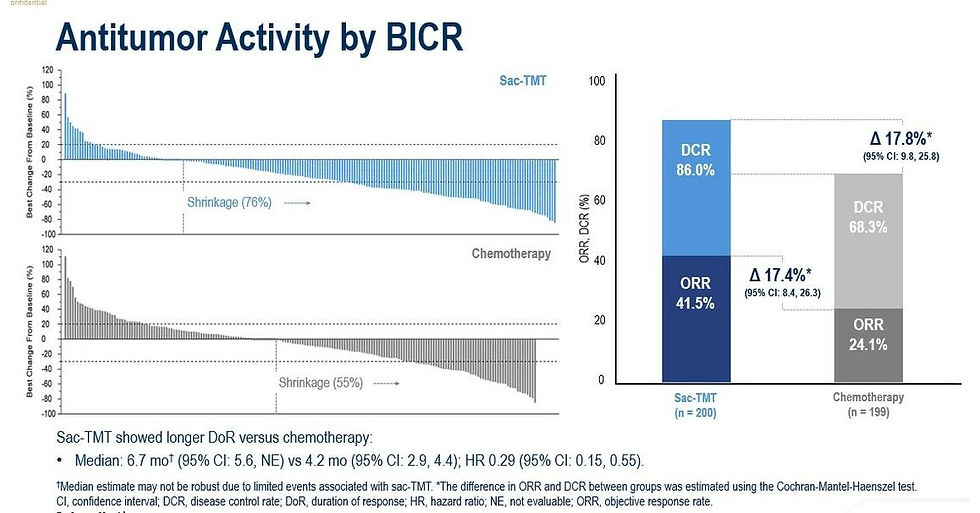
The treatment was developed with China's Kelun-Biotech. It is a form of cancer treatment called an antibody-drug conjugate. This means that chemotherapy drugs are targeted by attaching them to antibodies that can recognize specific proteins. In this case, sac-TMT targets the TROP2 protein, which is often found in endometrial cancers.
This result is very significant for Merck. Analysts believe that sac-TMT could bring in around $900 million in peak annual sales for endometrial cancer alone, with potential annual sales reaching $9 billion from a range of different cancers. As Merck will eventually lose patent protection on its blockbuster cancer immunotherapy treatment, Keytruda, this is becoming increasingly significant. The company is looking to treat a range of other cancers using sac-TMT, including lung, breast, and ovarian cancer.

There were issues, though. Around 54% of patients receiving sac-TMT experienced severe side effects, compared to 41% for chemotherapy. However, the drug has received priority review status from the FDA, with a decision expected by June 15, 2027.
Overall, for investors, if sac-TMT is approved, it could significantly boost Merck's oncology pipeline going forward. It also shows how targeted cancer therapies are becoming increasingly important for companies.